A year-long intensive training for everyone who wants to make an impact.
The next cohort has not been announced yet. Leave us a message and we'll let you know as soon as it's open.



The next cohort has not been announced yet. Leave us a message and we'll let you know as soon as it's open.
Books and videos won't make you a master. Key skills need to be practiced regularly.

Every third Thursday
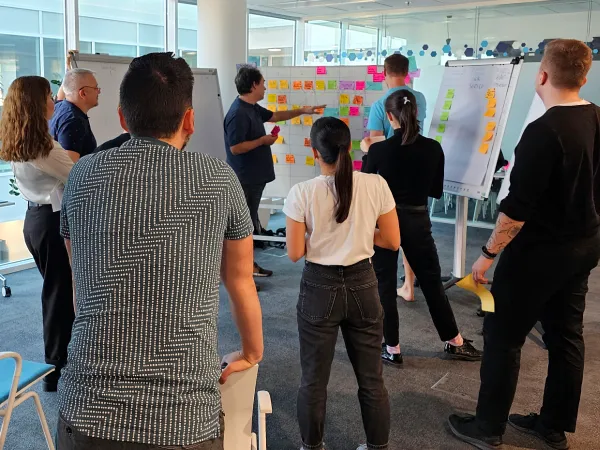
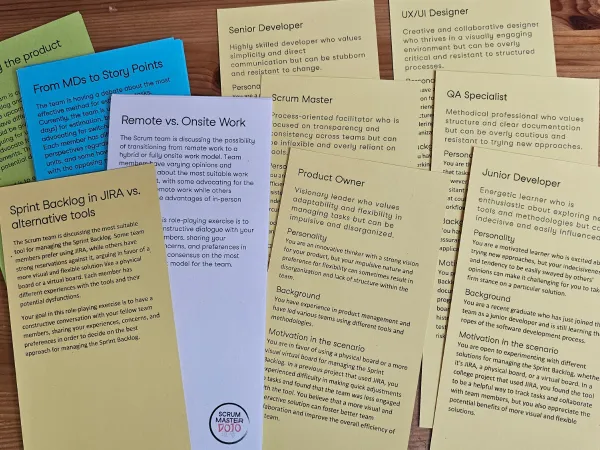
Through role-playing, you will experience challenging situations and practice how to handle them in a safe environment.

In your organization
What you learn, you immediately put into practice. You won't be learning knowledge for the drawer, but how to make an impact in the organization.
Successes and failures
Share with others, get feedback and inspiration from the trainer and especially from other Scrum Masters. We grow together.
But it expects Scrum Masters to have an impact on organizational agility. Working at the team level is not enough.
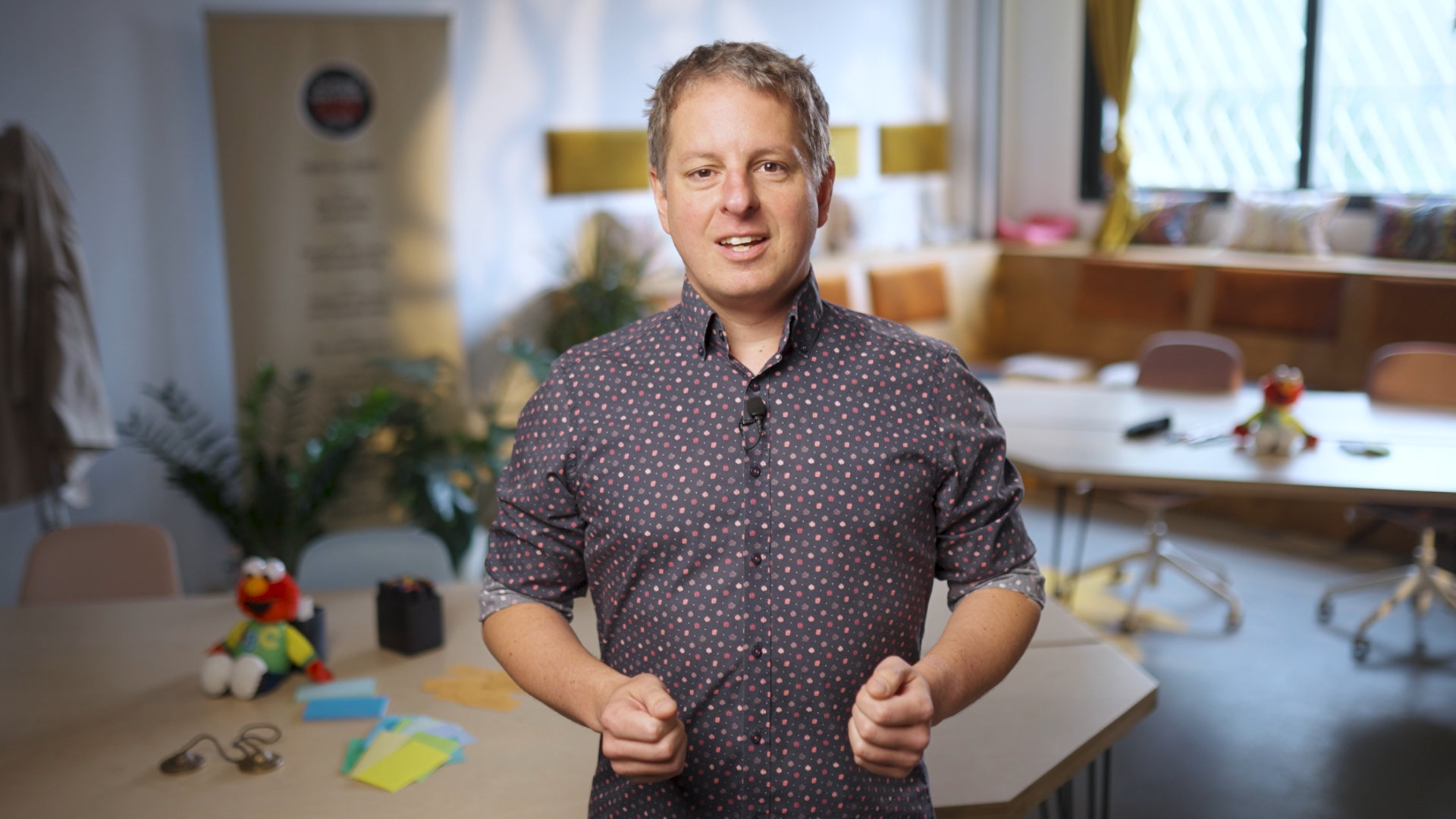
Dōjō is a Japanese martial arts gym where you go to sweat. Where you practice specific techniques. Regularly, long-term, so you can fully master them.
Making an impact means being a partner not just to teams, but mainly to leadership. These competencies help us the most.
Break free from scaling frameworks. Learn to think in organizational patterns.
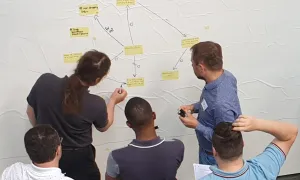
Look at the organization as a living organism. Explore the root causes of dysfunction together with management.
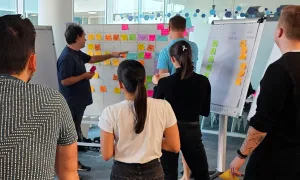
Strengthen your facilitation skills. Handle meetings with strong personalities and strong opinions.
Closing keynote at the inAgile 2024 Conference
June 2024 37 min
 Czech
Czech
Throughout the program, we will walk the path to end-to-end teams together.
Watch the talk and get a preview of what awaits you.
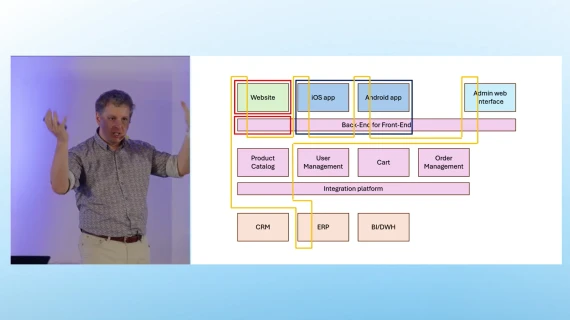
Scrum Master Dōjō topics build on each other and form a coherent story

Team responsibility, collaboration and decision-making
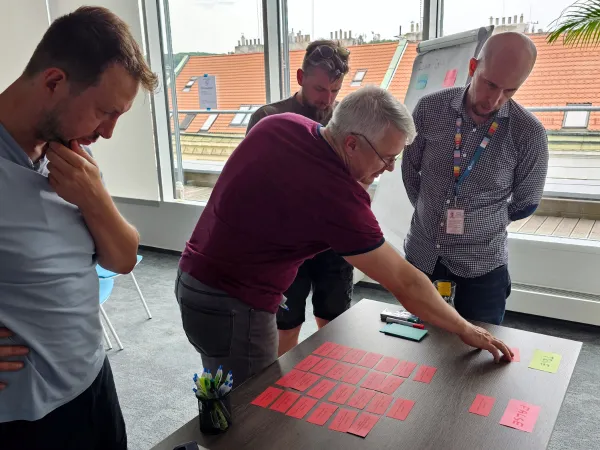
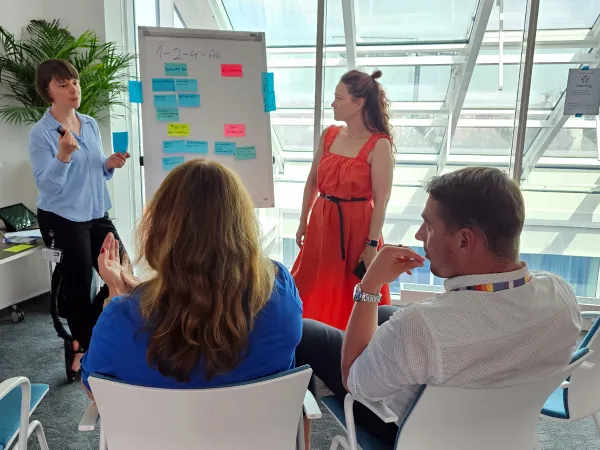
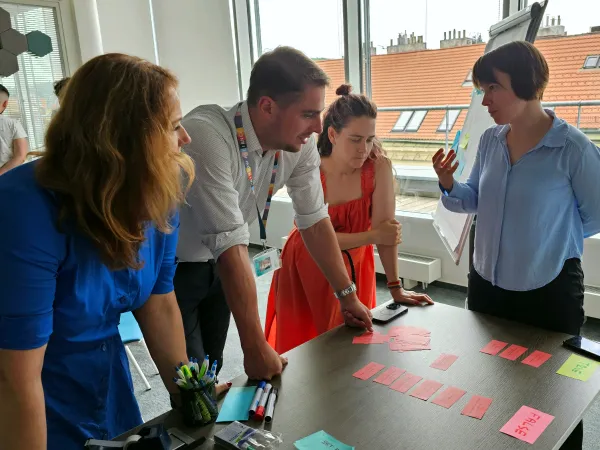
Through role-playing exercises, you will experience a range of facilitation techniques and Liberating Structures. In the role of participant, facilitator or observer.
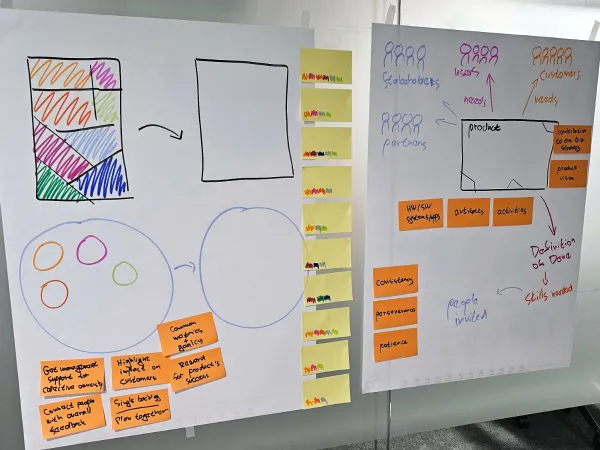
The ability to visualize conversation, ideas and proposals is key to effective group decision-making.
You will learn to draw colorful stick figures lead a team to a decision they will stand behind.
You will try out several refinement formats, including multi-team refinement, and you'll be surprised how many things then suddenly "just work" when refinement is done well.
Refresh your knowledge of well-known and lesser-known estimation techniques. Uncover various psychological biases. Recognize which technique to use for which occasion.
The team in the context of product and organization
You will explore how innocent estimates become deadlines and where the ever-present delivery pressure comes from. You will learn to uncover the contract game and work on eliminating it.
You will experience and learn to handle challenging (and very challenging) situations: misaligned expectations, conflicts of interest, clashes of strong personalities, unsolvable problems, reluctance to decide on anything.
By modeling the organizational system, you will learn to uncover the causes of organizational dysfunction together with management. Decision-making about necessary changes will then be more informed and easier.
You will experience multi-team quarterly planning and explore how different organizational models affect mutual collaboration, the contract game and organizational agility.
The path to end-to-end teams
You will start to see the organization as a living system and track effectiveness and agility at the product and organization level. (Your world will never be the same again.)
More fundamental organizational changes can't just be "explained." You will learn to recognize hidden interests, find allies, and pick your battles.
Product definition → customer-centric product backlog → end-to-end product teams. You will experience team self-design, where specialized teams transform into end-to-end teams.
Leading teams from application ownership to product ownership. Developing single-specialists into multi-specialists. Organizational changes towards an agile product organization.
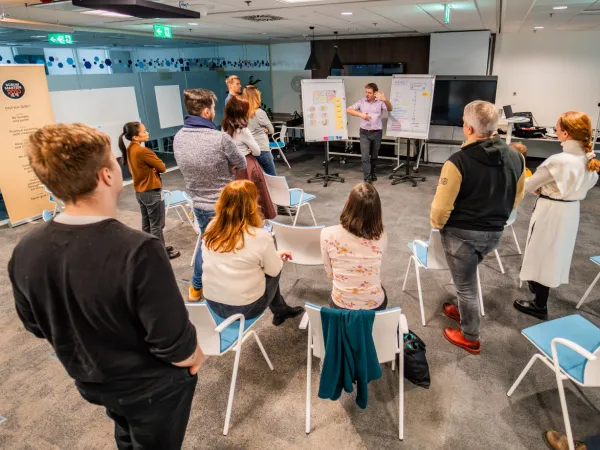
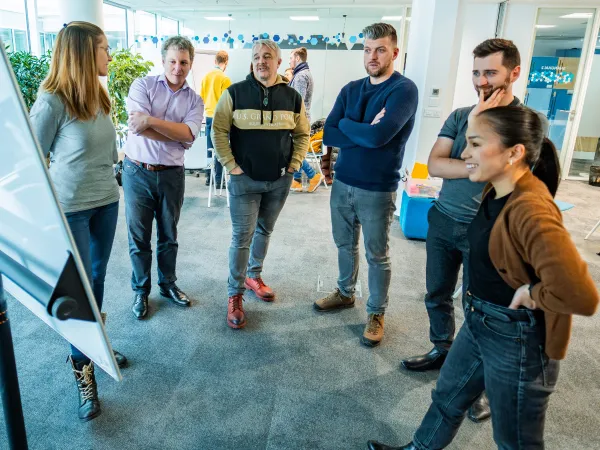
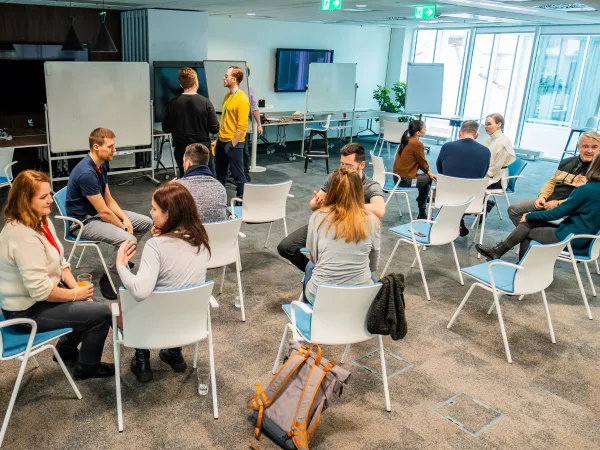
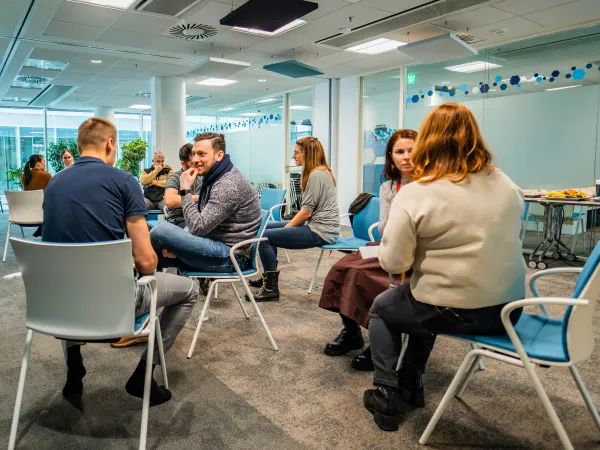
Every three weeks on Thursday afternoon, we meet in the dōjō, where we will practice intensively together.
Our goal won't be to overwhelm you with a thousand and one techniques and methodologies. We will go in depth with the topics. You will have time to experience, practice, reflect, share and thoroughly understand everything.
The exercises will be much more intensive than what you're used to from typical "experiential" workshops. You will sweat. You will step out of your comfort zone, delve into the dark corners of your inner self, and question everything you knew before.
You can only fight the way you practice.
Towards the end of the dōjō session, you will choose a personalized "homework assignment." It could be:
I can show you the path but I can not walk it for you.
Throughout the program, you will stay in touch with the trainer and other participants on ScrumDōjō Discord.
From your practice, you will prepare a summary of your experiences that you can share with other participants at the next dōjō session. It doesn't matter how it turned out, but what you learned.
It can be a poster, a blog post, a short video or a brief presentation.
Good judgement is the result of experience, and experience the result of bad judgement.
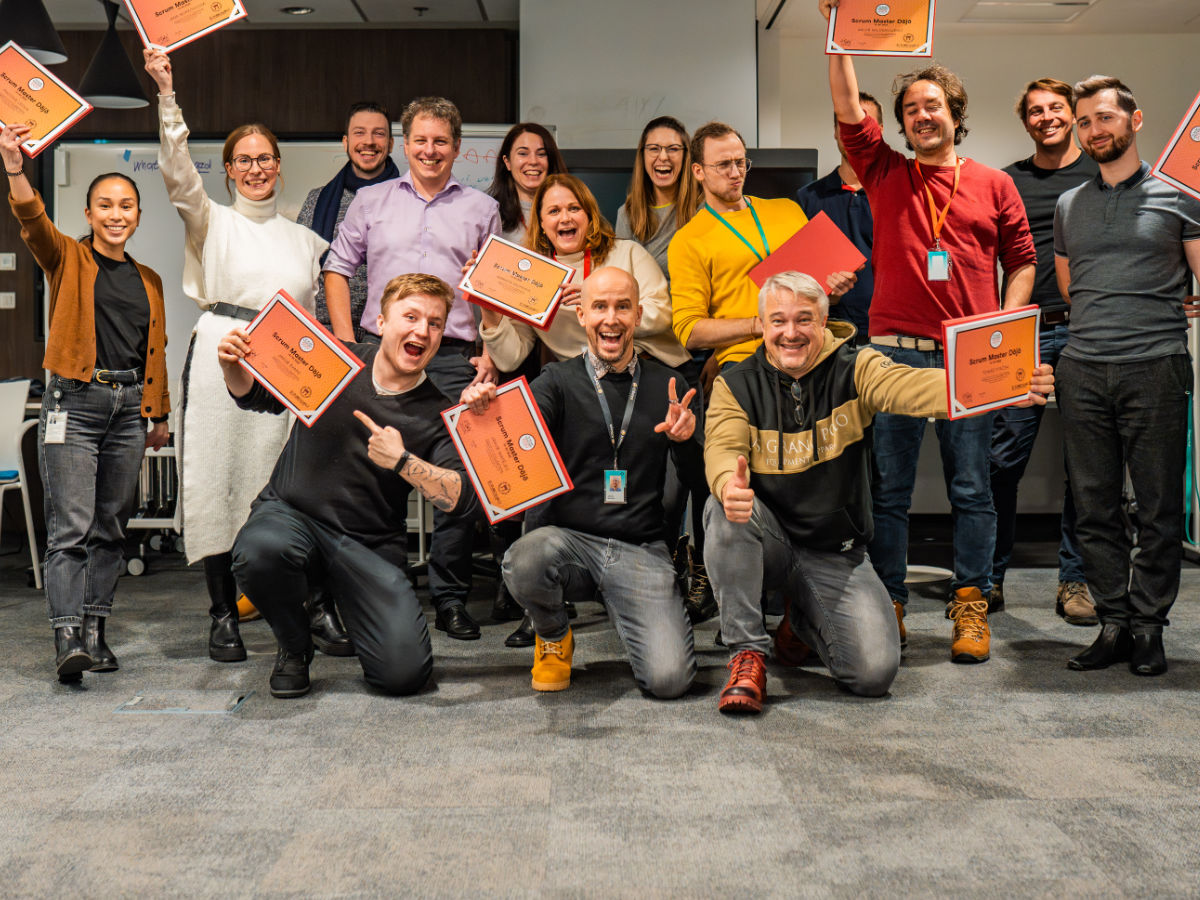
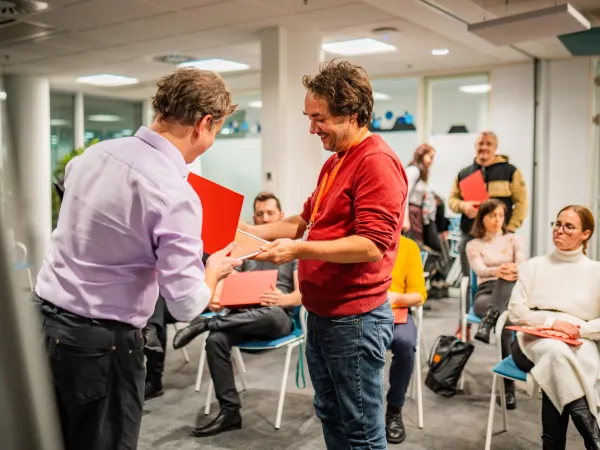
Sharing at least 6 of your specific experiences with the broader community (e.g. social media or meetups) will be recognized with the certificate 努力賞 Doryokushō For persistent effort.
There are currently no dates scheduled for this course.
If you register more participants for the same date, we offer group discounts (from the total price valid on the day of registration):
Rules of the Dōjō
Miloš Milosavljević
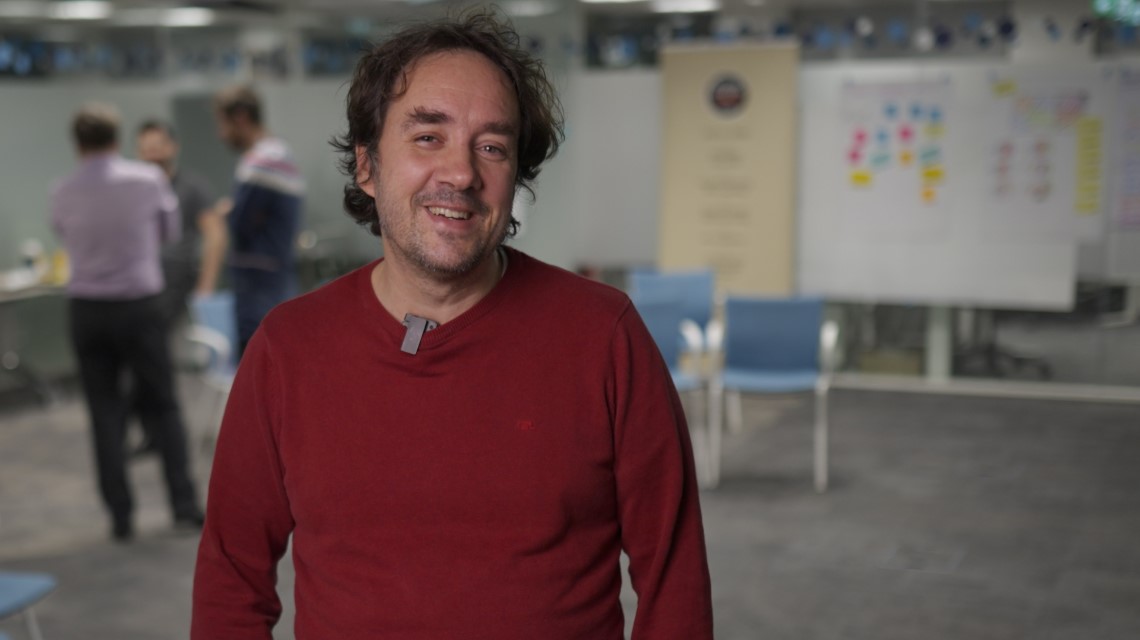
It took me two minutes to consider whether I would travel from Belgrade to Prague and back every three weeks for the whole year. I'm very glad I made that decision.
Michael Has
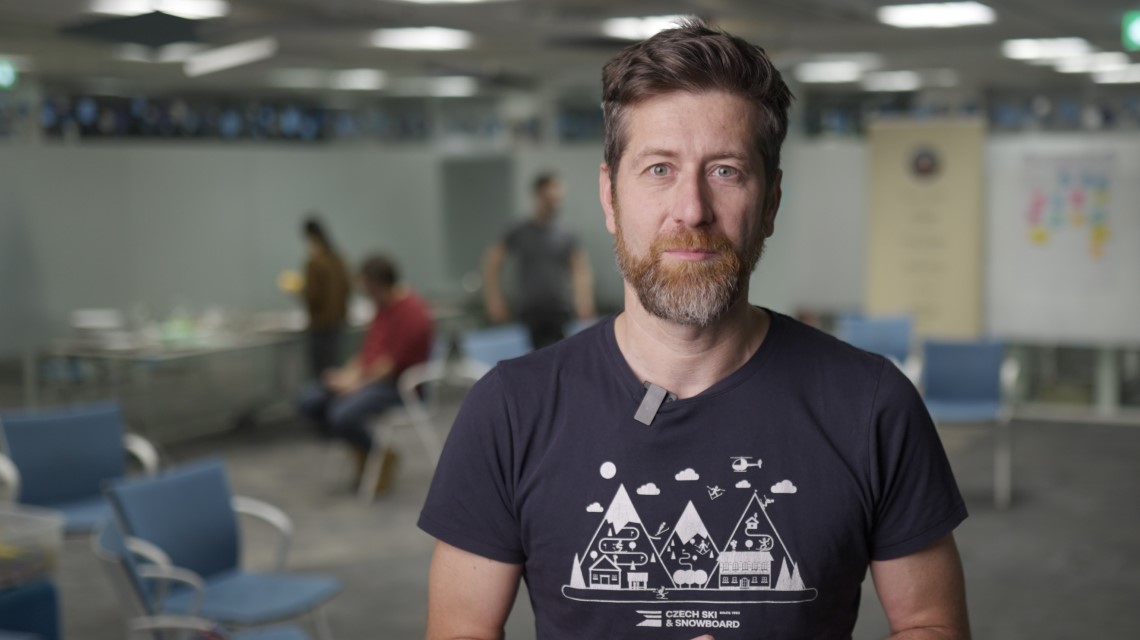
During the course, Scrum Masters started mapping Customer Journeys. That was something we really missed in some teams.
Jakub Matějec
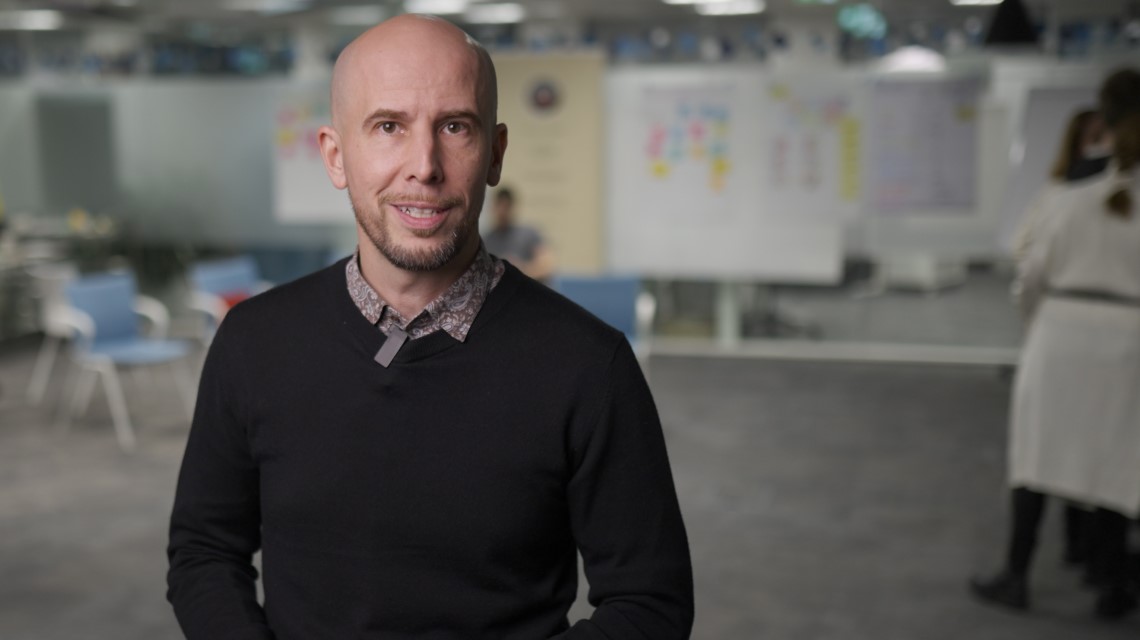
Karel definitely doesn't give us anything for free; he lets us figure everything out ourselves. That makes it all the more valuable when the group supports each other.
Jana Borkovcová

It really helped me how we discussed various team structures and how to do scaled Scrum when the team and product are very large.
Jan Nemeš

The long-term format has the advantage that we can absorb the information, apply it, try it out, and compare results with others.
Tomáš Ptáček
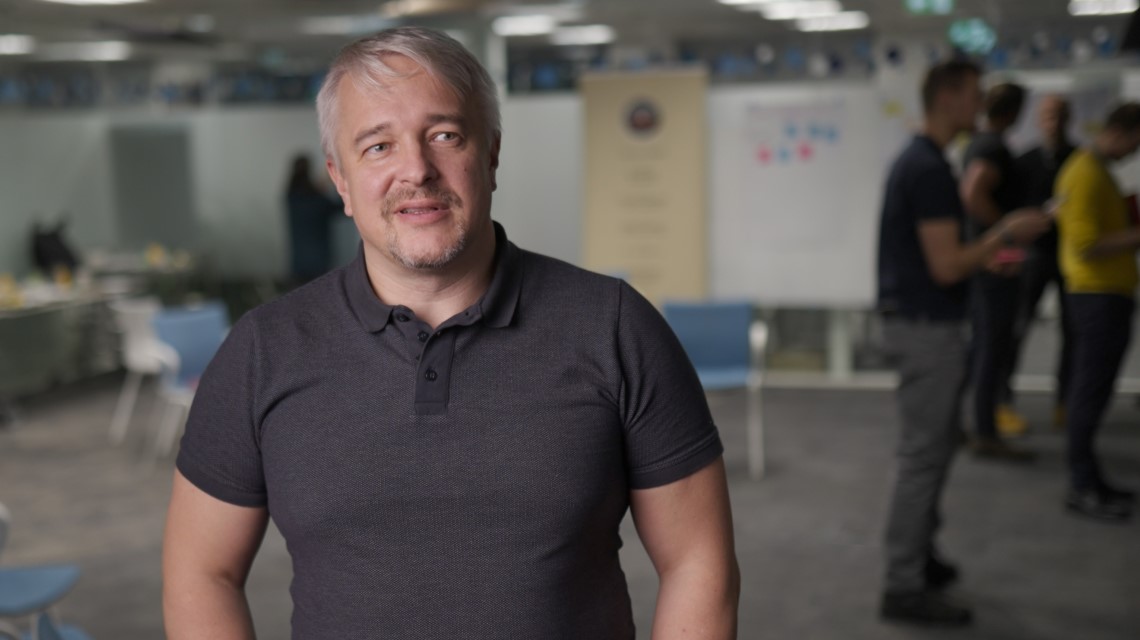
Karel thinks outside the traditional way of working. He brought us to many things we didn't know before.
Jakub Švarc
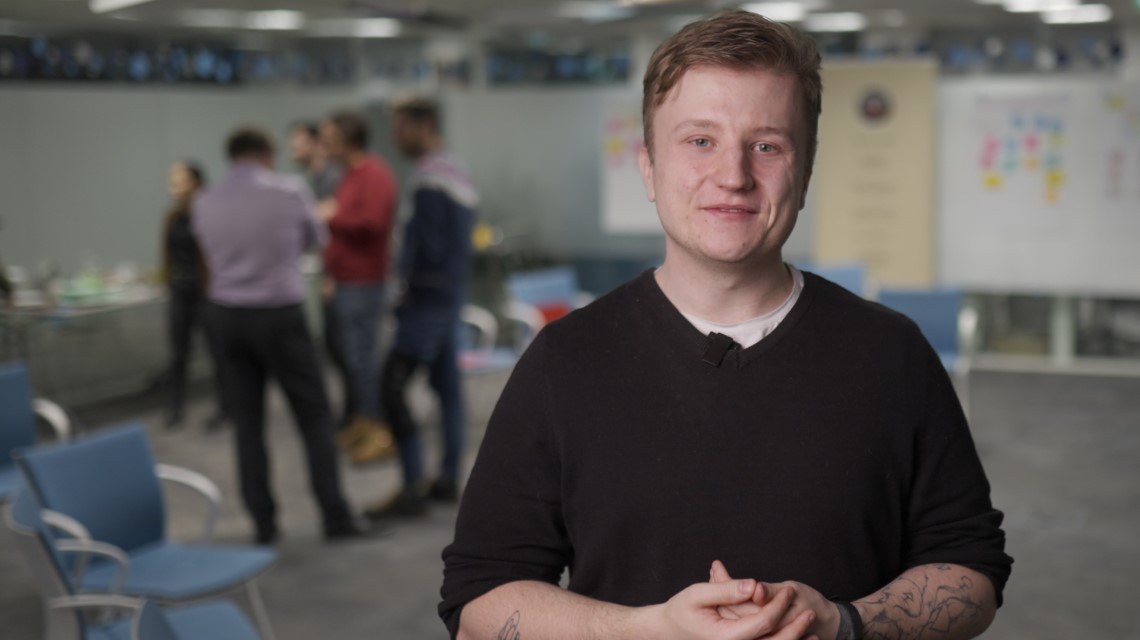
Scrum Master Dōjō is a great experience for building networking, meeting other Scrum Masters, and sharing experiences.
Scrum Masters from these companies have completed the program
















Show your employers or clients how much effort you have put into your training
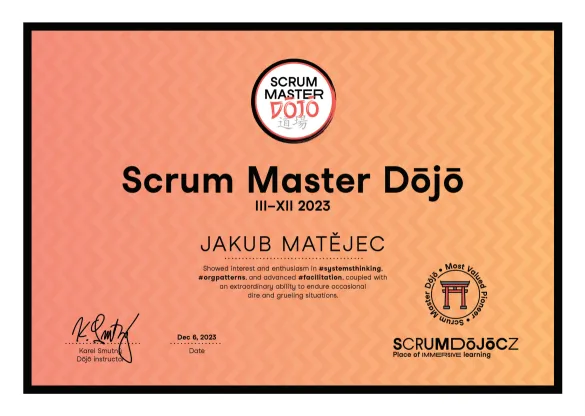
Diploma for regular attendance at dōjō sessions, at least 9 out of 12 sessions.
Diploma for actively applying new knowledge in practice in your organization, and for sharing successes and failures with the community.
Diploma for developing and publishing a case study about a lasting improvement in your organization.
Use only that which works, and take it from any place you can find it.